

Paid hotel upgrades have quietly become a normal line in the hospitality playbook: days before arrival, an email offers you a better room for a fixed price or invites you to name your own bid. The going rate is roughly $50 to $150 a night for a suite or club-level room, with bidding starting around $41 for a view room and climbing past $185 for the largest suites at some Hyatts. At Disney resorts the club-level portion alone starts near $200 a night. The marketing says you are personalizing your stay; the fine print says hotels are monetizing the very rooms that used to flow to loyal guests for free. Here is what these upgrades cost, how the bidding works, and when paying is actually worth it.
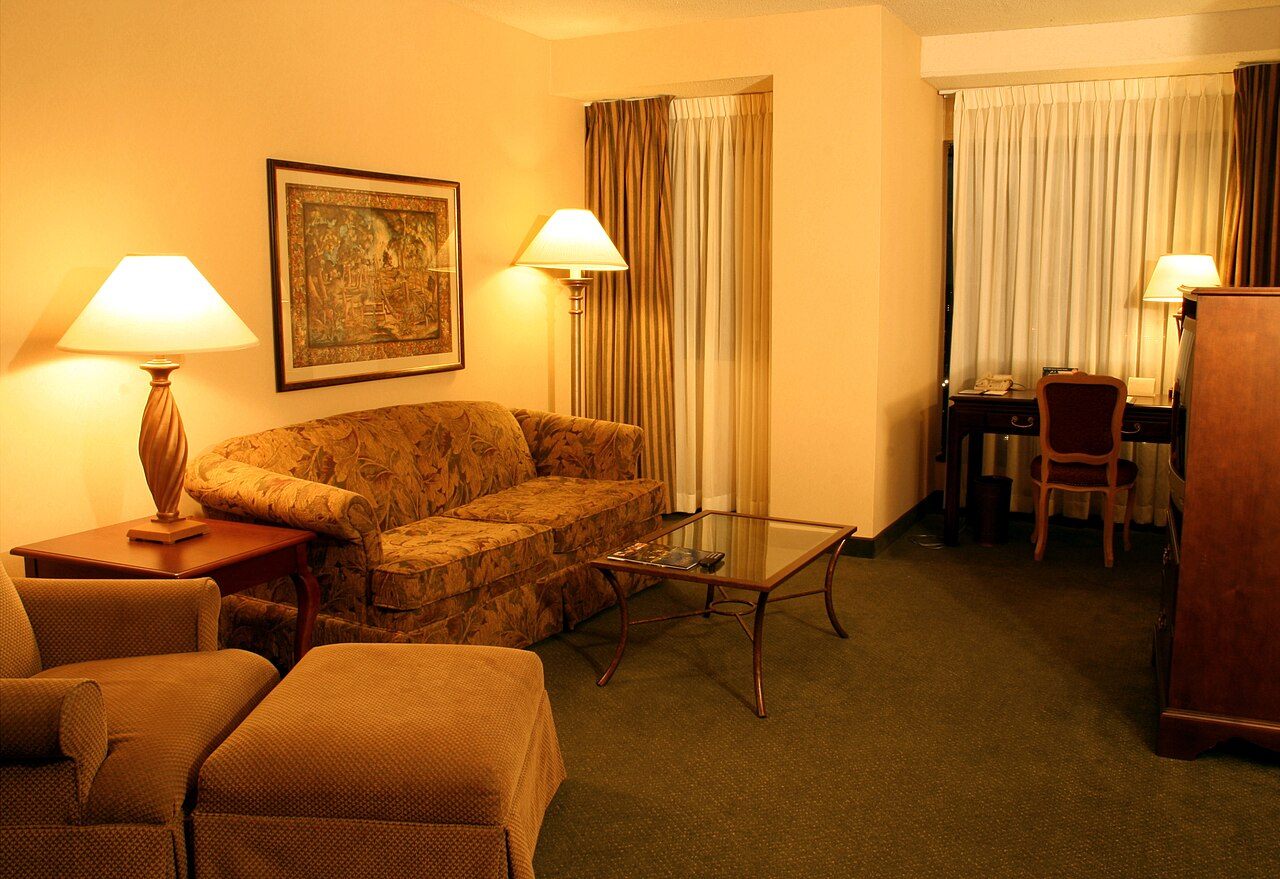
Paid Hotel Upgrades: What the Offers Actually Cost
Three pricing models dominate the 2026 landscape:
- Fixed-price upsell: $50 to $150 per night is the mainstream range for a better room or club-level access. A documented InterContinental New York Barclay rate ran about $125 above the standard room; a Hilton in New York quoted $200 a night for an executive-level suite, rising to $250 when asked again at the desk.
- Name-your-price bidding: pre-arrival emails invite a bid on a sliding scale. A Hyatt Regency Lisbon offer started at $41 a day for a river-view room, $97 for a deluxe suite, and $141 for a deluxe river-view suite, with a $185 ceiling. One Marriott property listed a $45 river-view upgrade and a $94 one-bedroom suite; another asked for $100 for a view and $500 to $1,500 for suites. Cancun all-inclusives have shown minimum bids near $115 with “typical” bids around $150.
- Club and executive level: $50 to $200 a night above a standard room at mainland US chains, covering a private lounge, scheduled food and drinks, and concierge service. Disney resort club-level rooms run $500 to $1,500 a night all-in, of which $200 to $500 is the access premium. At a Ritz-Carlton, adding lounge access to an existing suite has been quoted at $250 — one night, no room change.
The common thread: the price appears 48 to 72 hours before check-in, exactly when a hotel knows its inventory and an elite member expects a complimentary upgrade.
Why Your Status No Longer Guarantees the Suite
Marriott’s published terms no longer promise Platinum members the best available room; they promise an upgrade subject to availability at arrival, at the hotel’s discretion. Hilton has been explicit about selling upgrades even to top-tier members, and the app sends bid emails 48 to 72 hours out. Revenue-management vendors pitch these systems as a way to “eliminate the potential number of free upgrades” while freeing lower room categories for resale.
The practical effect is a shrinking upgrade pool. One frequent traveler tracked Marriott Titanium suite upgrades falling from roughly 35 percent in 2023 to under 10 percent, while Hyatt Globalists still cleared 70 to 80 percent of suite requests because Hyatt and IHG use confirmable upgrade awards that reserve inventory rather than treating it as leftovers. If status is the reason you book a chain, that structural difference matters more than the points earned. Our upgrade ask strategy guide covers the free route; this one covers what happens when the free route has been sold.
When Paying Is Worth It
Run the math against how much time you will actually spend at the hotel. A $100-a-night club-level upgrade buys a lounge with breakfast, snacks, and evening drinks; if two people would spend $60 to $80 on breakfast and coffee anyway, the premium nearly breaks even, and the dedicated concierge can save real time. It makes far less sense on a city break where you leave at 8 a.m. and return at 10 p.m. — you are buying a room you will not use.
A paid suite is different. On a milestone trip, a celebration, or a long stay where the living room gets daily use, $75 to $150 a night can be money well spent, especially if the cash rate for that suite is three times the upgrade. For a one-night stopover, it is rarely worth it. The same logic applies to the other optional costs in our parking and resort fees guides: price the benefit against actual use, not the headline.
How to Bid Without Overpaying
Start low. These systems publish a “regular price” and invite offers below it, which is a signal the seller expects negotiation. Bids are usually binding and charged even if a better room never appears, so treat the slider as a real purchase. Check what the upgrade would cost if booked directly at the normal rate — if the suite is only $90 more on the hotel’s own site, bidding $150 makes no sense. Also remember that a bid does not guarantee the room; you are joining a queue, and the hotel can sell the same inventory to someone else.
One more wrinkle: emails that look like upgrade offers have been imitated by scammers, especially after booking-data breaches. The bid link should lead to the hotel’s own domain or its recognized loyalty app, never to a strange domain asking for card details. When in doubt, ignore the email and check the offer in the app where you made the booking — the direct-booking tradeoff is covered in our booking direct vs platforms guide.
The Bottom Line
Expect $50 to $150 a night for most paid room upgrades, $200 to $500 at Disney-style resort properties, and sliding-scale bids that start low and can run past $500 for premium suites. They can be good value on long stays, celebrations, or lounge-heavy itineraries — and poor value on short city trips. Decide with the use-it math, verify the link, and remember that a paid upgrade is a purchase, not a perk you have finally unlocked. Book through the channel that protects your status in the first place — the direct-vs-platform tradeoff is covered earlier in this guide.