

Hotel overbooking rights come down to one uncomfortable truth: no US federal law requires a hotel to compensate you for turning away a guest with a confirmed reservation. Airlines have a regulated payout formula for denied boarding; hotels do not. What you are owed instead comes from two places – ordinary contract law, which treats your confirmation as a binding promise, and the chain’s own published walk policy, which at Marriott, Hyatt and IHG is often far more generous than anything a front desk agent volunteers. The gap between what is promised on paper and what gets offered at midnight in the lobby is where most guests lose money they were actually owed. Here is what “being walked” really means, what each major chain commits to in writing, and how to claim all of it.
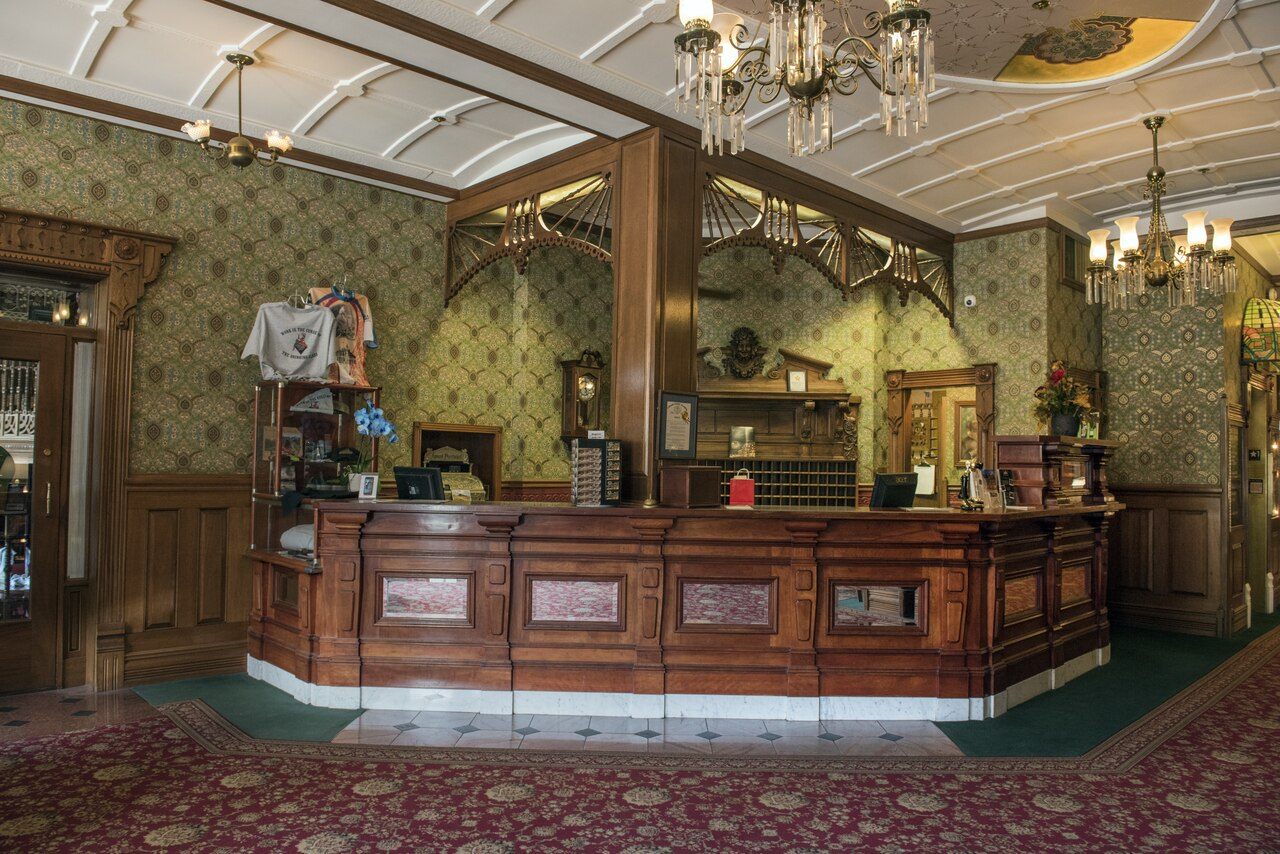
What Hotel Overbooking (“Getting Walked”) Actually Means
Walking is what happens when you arrive with a confirmed reservation and the hotel has no room to give you. It is rarely random: hotels deliberately overbook – take more reservations than rooms – because industry data shows a predictable share of guests never show. No-shows, late cancellations, early departures, rooms pulled offline for maintenance, and guests extending a night all shrink inventory after the bookings were taken. Most nights the arithmetic works. On the nights it does not, the hotel selects someone to relocate – and the industry’s own selection criteria work in a predictable order, which matters for protecting yourself (more on that below).
The word “walked” sounds like an eviction, but legally it is a broken contract. That distinction is your leverage: the hotel promised a room, failed to deliver it, and owes you the cost of being made whole elsewhere.
Your Baseline Rights: Contract, Not Law
Because there is no hotel-walk statute, your rights flow from contract and consumer-protection principles. In practice that means the hotel owes you, at minimum: a refund of anything prepaid, and the reasonably foreseeable costs of the failure – the price difference if the replacement hotel costs more, and reasonable transportation to get there. Beyond that baseline, the de facto industry standard – voluntary, not mandated – is a package most chains honor: the first night at a comparable or better hotel paid in full, transport to that hotel, and a phone call. Keep receipts for everything the disruption costs you; those out-of-pocket expenses (meals you would not otherwise have bought, extra transport) are recoverable in a breach-of-contract claim.
Two things strengthen your position before any dispute starts. First, the booking channel: reservations made through third-party sites sit outside several chain guarantees, so the direct-vs-platform tradeoff you weigh for price is also a walk-policy tradeoff – the details are in our booking direct vs platforms breakdown. Second, the confirmation itself: a clear record of room type, rate, and dates is exactly what a contract claim is built on.
What Each Chain Commits to in Writing
The published policies – checked as of late 2026 – are not equivalent, and knowing the difference changes what you ask for:
- Marriott (Ultimate Reservation Guarantee): the most specific terms in the industry. If the hotel cannot honor your reservation, Marriott pays for a nearby hotel that night plus cash and points – but it is an elite-status benefit, and you must have provided your member number when booking. Premium brands (Marriott Hotels, Sheraton, Westin, W, JW Marriott): $200 plus 90,000 points for every elite tier. Select brands (Courtyard, Fairfield, Residence Inn): $100, or $100 plus 90,000 points for Platinum and above. Luxury brands (Ritz-Carlton, St. Regis): $200 plus 140,000 points for Titanium and Ambassador tiers.
- Hyatt (Guest Guarantee): a free night at a comparable hotel, free transportation in both directions, and a phone call. The catch: it applies only to bookings made and prepaid on Hyatt’s own site – same-day, walk-in, and OTA reservations are excluded, and no cash or points are published.
- IHG (Book With Confidence): the full cost of the first night including tax, transportation to a comparable hotel, and any advance deposit refunded. The general manager is expected to contact the walked guest personally the same night or the next morning.
- Hilton: the outlier – no guest-facing walk commitment is published at all. The internal policy reportedly covers the first night, transport, and a call, and Hilton Honors guests report cash compensation when they ask for it. Translation: at Hilton you must know what to request.
- Accor: a hotel of equivalent category, reasonable expenses covered, and rate differences absorbed under its sales conditions.
These guarantees are commercial policy, not law – a chain can stall or offer less, which is why the numbers above are things you claim, not things that arrive automatically.
How to Claim Everything You Are Owed
Handle it on-property, before you leave the lobby – your negotiating position collapses once you walk out. The front desk agent usually lacks authority; ask for a duty manager. Be specific and calm: request the comparable room, the paid first night, transport, and – if you are an elite member of a chain with a published guarantee – the cash and points the policy names. Keep every receipt. If the hotel stalls, you have the right to book your own replacement room and pursue reimbursement afterward, and a credit card chargeback is the enforcement mechanism of last resort for a prepaid reservation never honored.
For multi-night stays, one detail trips people up: some properties cover the rate gap for the whole stay, others only the first night and expect you back when a room frees up. Clarify it at the desk, and get whatever is promised in writing – a confirmation email, not just a verbal nod.
How Not to Be the One Walked
Hotels choose who to relocate using three signals: loyalty status, booking channel, and arrival time. Elite members are almost never walked – the compensation liability alone makes it bad math. Direct bookings outrank OTA bookings. And guests who arrive on time keep rooms that late arrivals lose. So the practical playbook: book direct, join the free loyalty program, put your member number on the reservation, and arrive early in the check-in window. Late-night arrivals to a sold-out city are where walks concentrate.
Overbooking is also a cost issue if you think beyond the night itself: a walked guest usually pays nothing extra, but the disruption – taxis, meals, a morning spent relocating – is real, and it stacks onto the total price of a stay the way other hidden charges do, like the ones in our resort fees and hotel taxes guides. The cancellation-fee rules in our cancellation fees guide matter here too, since flexible rates are what let hotels resell rooms – and rigid prepaids that cannot be resold are often the exact inventory a hotel protects first.
The Bottom Line
Being walked is a broken contract, not a legal dead end: the baseline is your money back plus the cost of getting settled elsewhere, and the chains’ own guarantees – Marriott’s cash-and-points formula most of all – add real compensation on top for guests who know it exists. Book direct, keep your member number attached, arrive early, and if the night goes wrong, negotiate in the lobby, not from home.