eSIM vs Physical SIM Travel Cost in 2026: What You Pay per GB

eSIM vs physical SIM for travel is no longer a tech question – it is a cost question, and the answer changes with the length of the trip. A travel eSIM in 2026 costs a median of $3.70 for 1 GB, $9.50 for 5 GB and about $12 for 10 GB, dropping to roughly $0.67 per gigabyte on a 50 GB bundle. A local physical SIM usually costs $8 to $15 up front for the card and a starter allowance, then cheap top-ups. Home-carrier roaming costs more per day than either. The trap is comparing headline prices instead of the trip in front of you: a two-week hop across three countries and a six-week stay in one city are entirely different purchases. Here is what each option actually costs, and where the crossover sits.
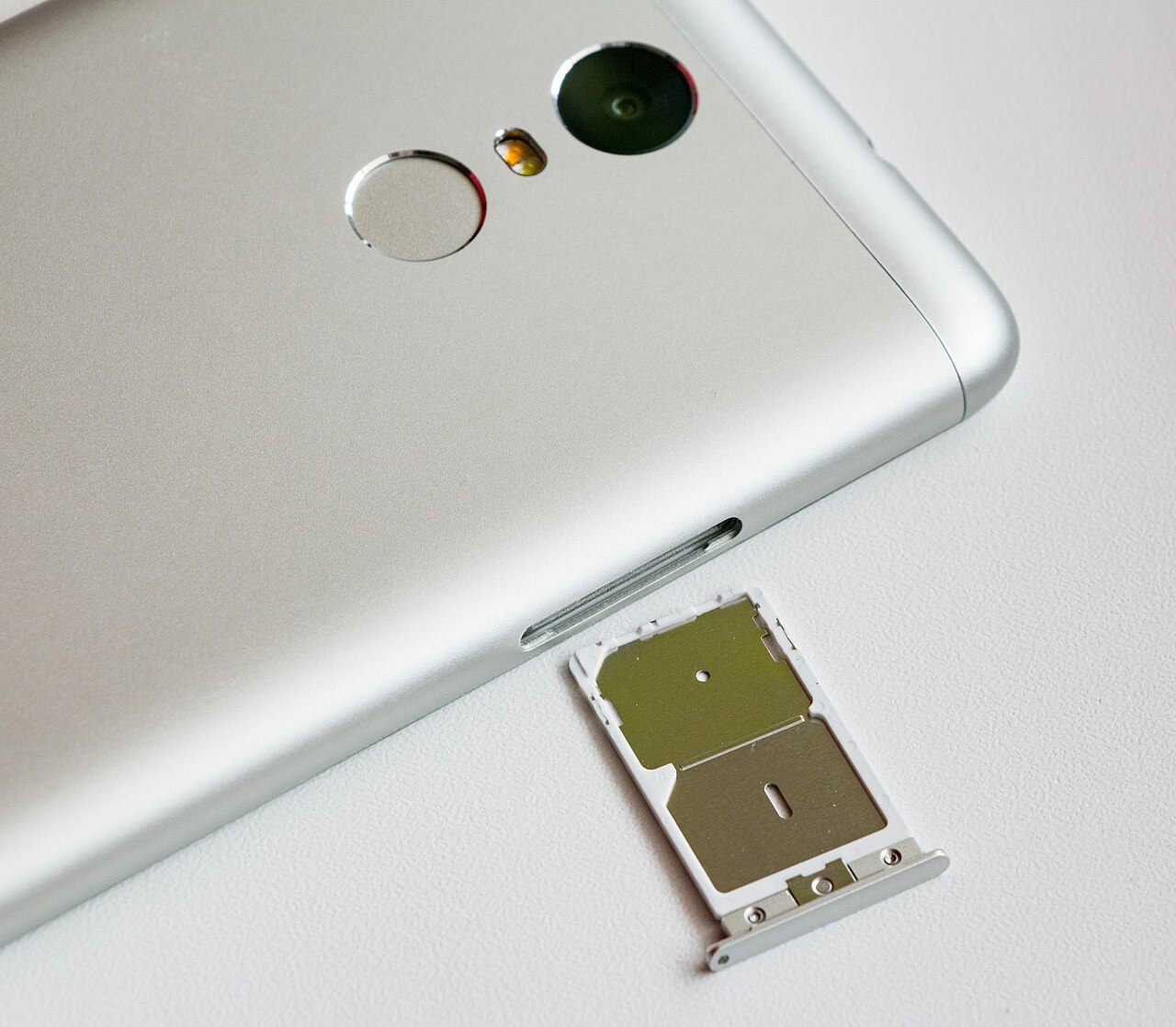

Dual SIM card tray beside a smartphone showing the physical SIM slot
Photo: Ilya Plekhanov, CC BY-SA 4.0, via Wikimedia Commons

eSIM vs Physical SIM: The 2026 Price

… Read More

Airport Transfer Costs 2026: Taxi vs Rideshare vs Shuttle vs Transit

Airport transfer cost is the first unplanned expense of almost every trip: the flight is booked, the hotel is booked, and then you land and the ride into town costs anywhere from $2 to $189 depending on the city, the hour, and the choice you make at the curb. The average US airport-to-downtown rideshare runs about $28 outside surge hours, taxis cluster between $25 and $80, shared shuttles charge $15 to $35 per person, and public transit is usually under $10 – often under $3. None of these is universally “the cheap one”: the right pick depends on how many people are splitting the fare, how much luggage is coming down the belt, and what time you land. Here is what each option actually costs in 2026, and where each one wins.

Taxi stand outside an airport terminal where arriving passengers choose their transfer
Photo: Jaakko, CC BY 2.0, via Wikimedia Commons

Airport Transfer Cost: The Four Options at a Glance

Across … Read More

Hotel Overbooking Rights: What You Are Owed When You Get Walked

Hotel overbooking rights come down to one uncomfortable truth: no US federal law requires a hotel to compensate you for turning away a guest with a confirmed reservation. Airlines have a regulated payout formula for denied boarding; hotels do not. What you are owed instead comes from two places – ordinary contract law, which treats your confirmation as a binding promise, and the chain’s own published walk policy, which at Marriott, Hyatt and IHG is often far more generous than anything a front desk agent volunteers. The gap between what is promised on paper and what gets offered at midnight in the lobby is where most guests lose money they were actually owed. Here is what “being walked” really means, what each major chain commits to in writing, and how to claim all of it.

Hotel reception desk where guests check in and where overbooking disputes begin
Photo: Carol M. Highsmith, Public domain, via Wikimedia Commons

What Hotel Overbooking (“Getting Walked”) Actually

… Read More