

The UK has a pricing story most visitors already know by heart: head to London, and everything – rooms, pints, even a coffee – feels expensive. What fewer people say out loud is that the rest of the country does not follow that script. Beyond the capital, a set of budget-friendly UK towns and cities lets you see coastlines, castles and industrial history without emptying your wallet.
This guide is for new travellers in both senses of the phrase: visitors on a first trip to Britain, and people who have recently made the UK their home – for example, once you have been granted indefinite leave to remain and are ready to explore the country beyond its priciest postcodes. Any of the five destinations below works as a weekend getaway or as the first stop of a longer budget tour.
Budget-Friendly UK Destinations
Blackpool
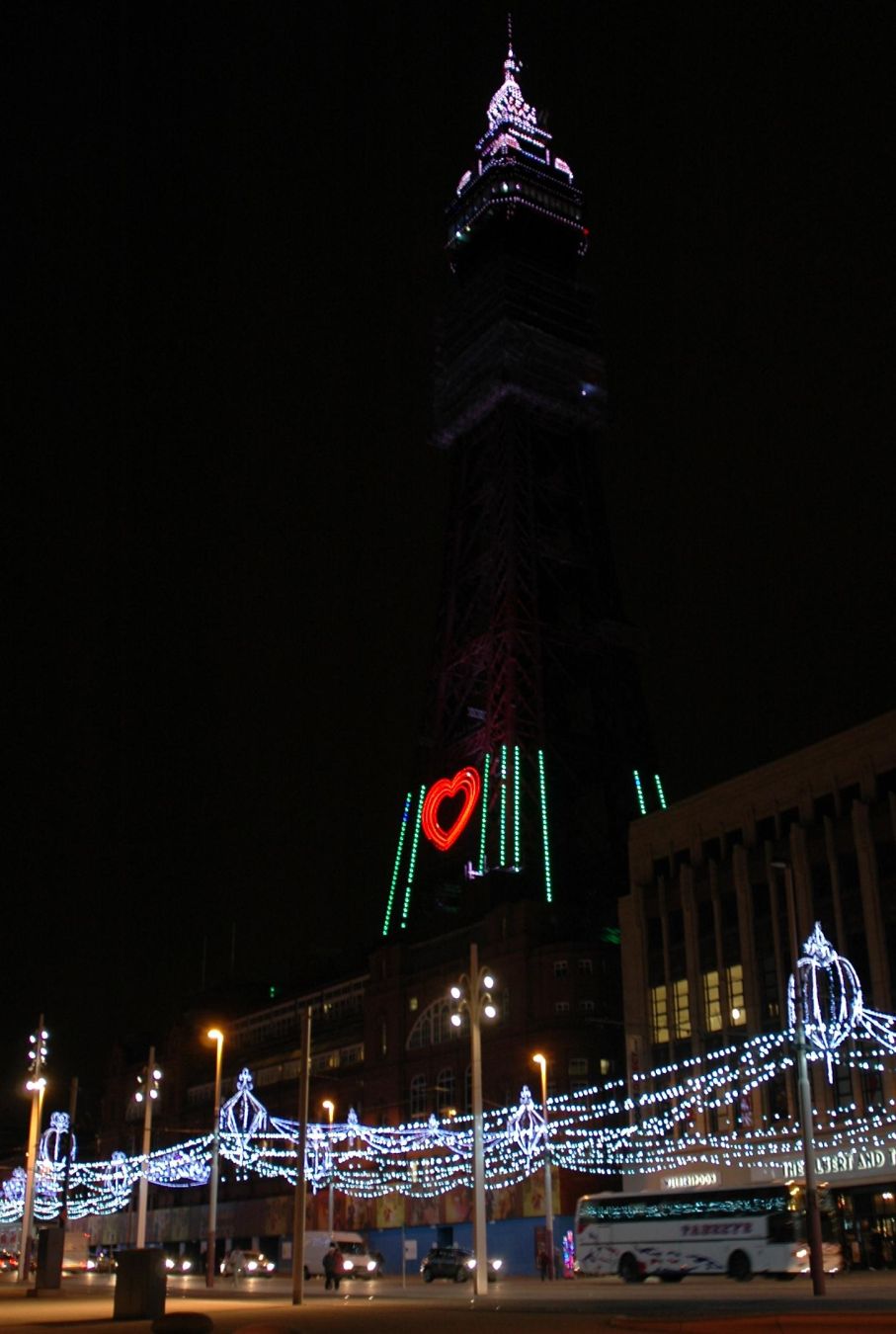
Often named the UK’s most affordable seaside destination, Blackpool is a working-class resort town that never pretends to be posh – and that is exactly its charm. Guesthouses and small hotels around the promenade routinely charge around £25 to £40 per night, and the price drops further outside summer.
The entertainment is famously cheap and cheerful: Blackpool Pleasure Beach packs dozens of rides behind one ticket, the Victorian piers are lined with arcades and cafes, and the free promenade is a full afternoon by itself. In autumn, the town’s famous Illuminations light show runs along the coast and costs nothing to walk through. Add a stretch of sandy beach, and you have the complete British seaside experience for pocket change.
Hull
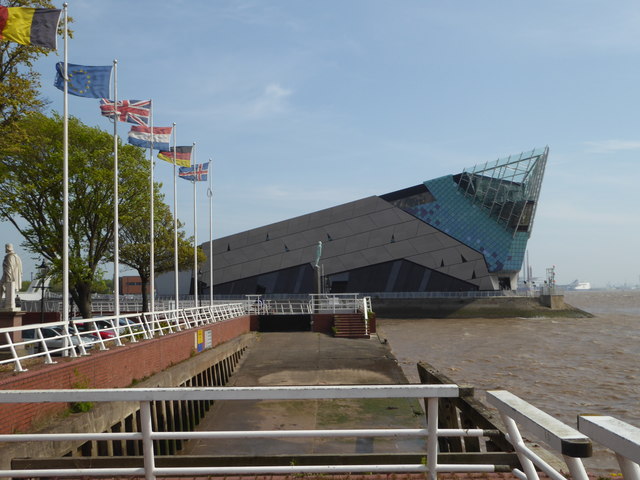
Kingston upon Hull – almost always just Hull – is one of the most quietly rewarding city breaks in Britain, partly because hardly anyone else books it. The Old Town’s cobbled streets, the Museums Quarter and the Ferens Art Gallery are free to enter, so a whole culture day costs nothing but lunch. With food, drink and rooms running well below southern England’s prices, many visitors get by on around £50 per day.
Two stops deserve a mention: Hepworth’s Arcade, a Victorian shopping arcade of independent shops with budget-friendly finds, and The Deep, the dramatic aquarium at the river mouth – one of Hull’s few paid attractions, and worth a ticket on a rainy afternoon.
Sheffield
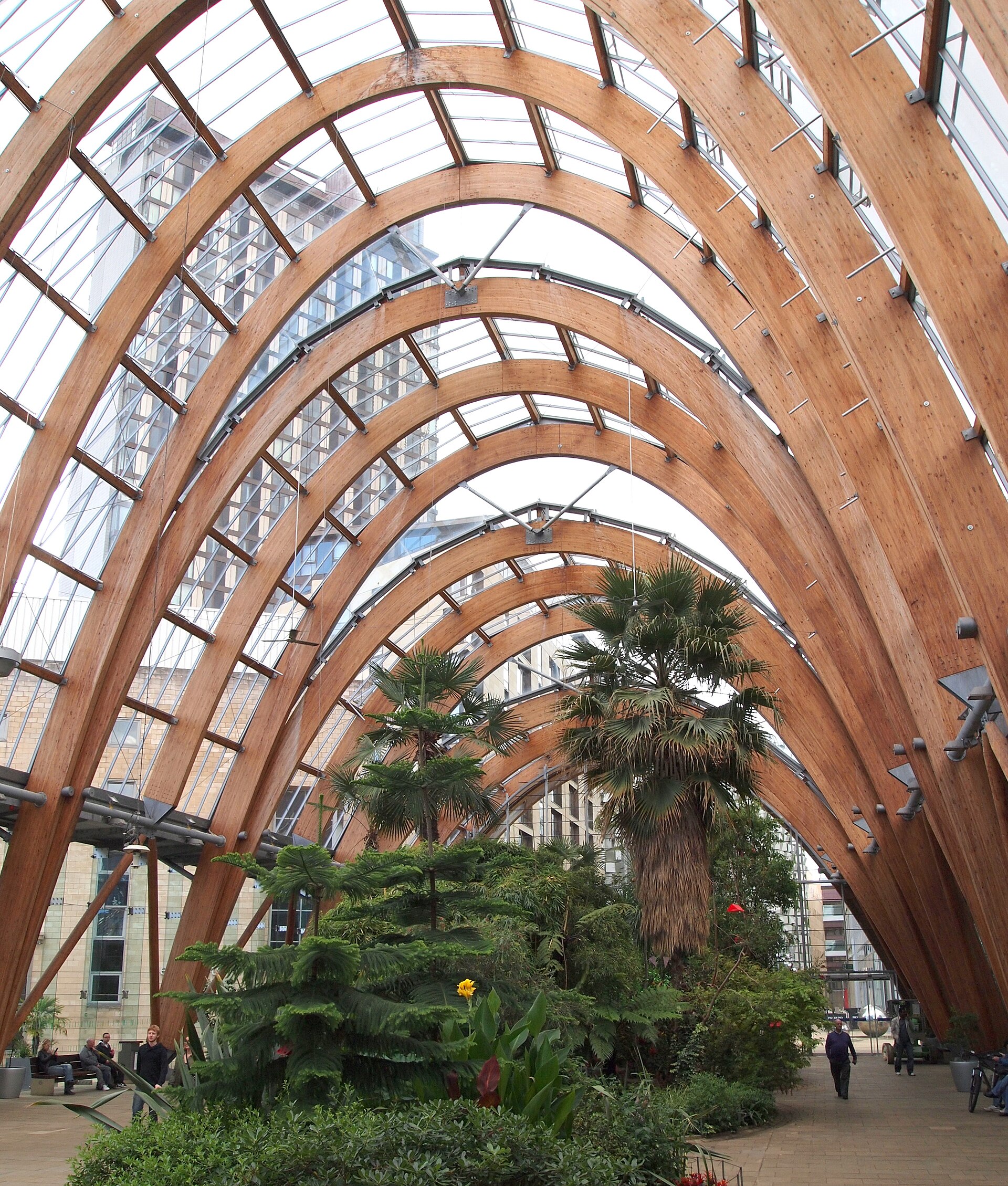
Sheffield lives up to its nickname, the Outdoor City: it is the UK’s best-value base for free green space, sitting where five rivers meet the Peak District’s edge. In the centre, the Peace Gardens and the Winter Garden are free – the latter one of Europe’s largest urban glasshouses, a full indoor garden you can walk through on the coldest day.
Getting around stays friendly to the wallet: city-wide bus and tram travel runs on low flat fares, typically around £2 a single, and the Moor Market sells locally made food at student prices. For many visitors the bigger draw is outside town – direct buses run into the Peak District, so a hillwalking day costs little more than the bus ticket.
Belfast
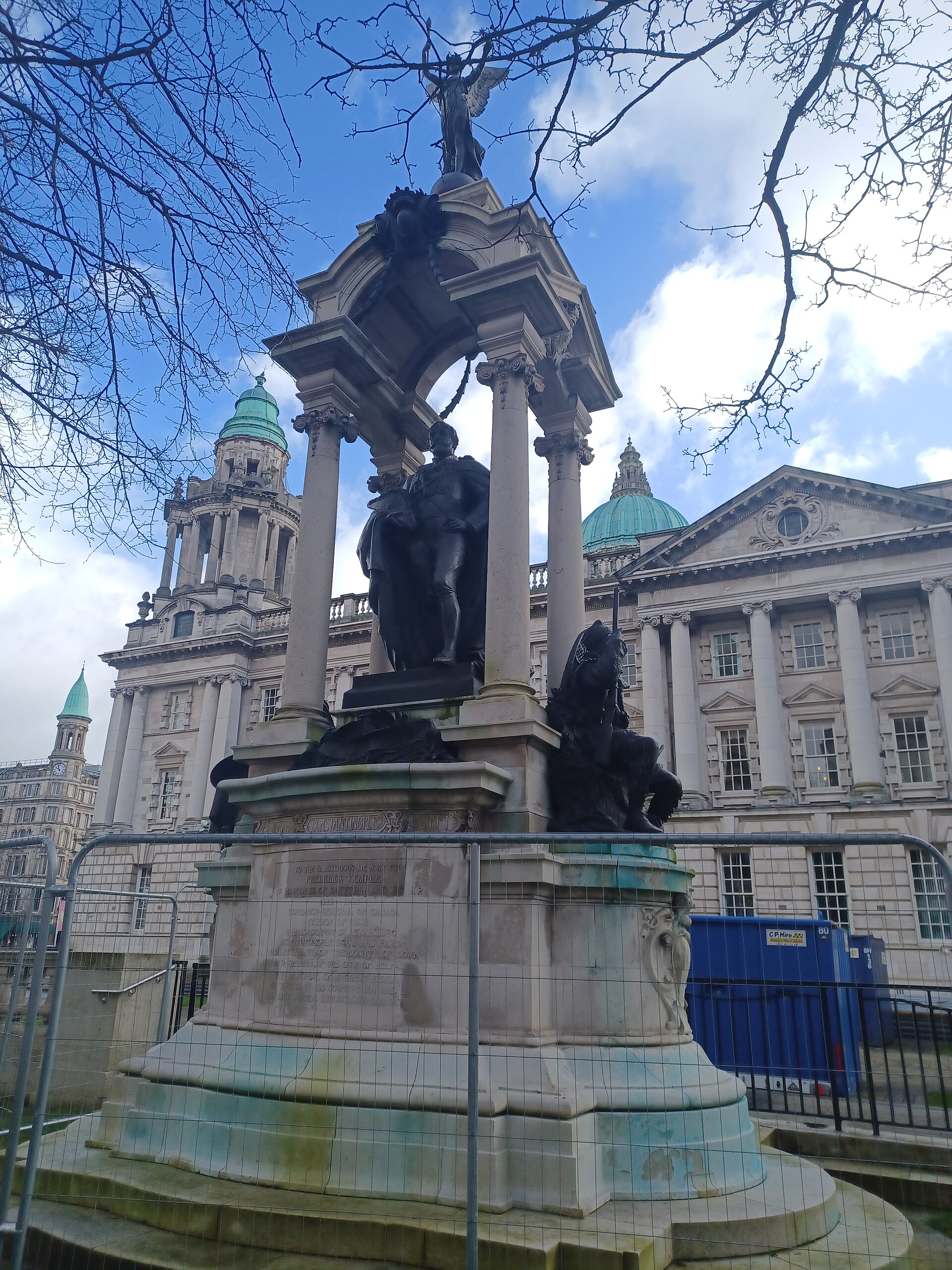
Belfast is not a bargain city in the strict sense, but it delivers far more per pound than most major UK spots: several of its biggest museums are free, the food scene is affordable, and almost everything worth seeing sits inside a walkable centre.
History is the headline: the Titanic Quarter, the shipyard murals that tell the city’s complicated story, and the free Ulster Museum all cost nothing or close to it. In spring and summer, the Botanic Gardens turn into a picnic spot with unusual blooms – and it is a favourite first trip for people newly settled in the UK; plenty of couples wrapping up their Spouse Visa UK process make Belfast’s waterfront and coastline their first romantic getaway across the Irish Sea.
Huddersfield
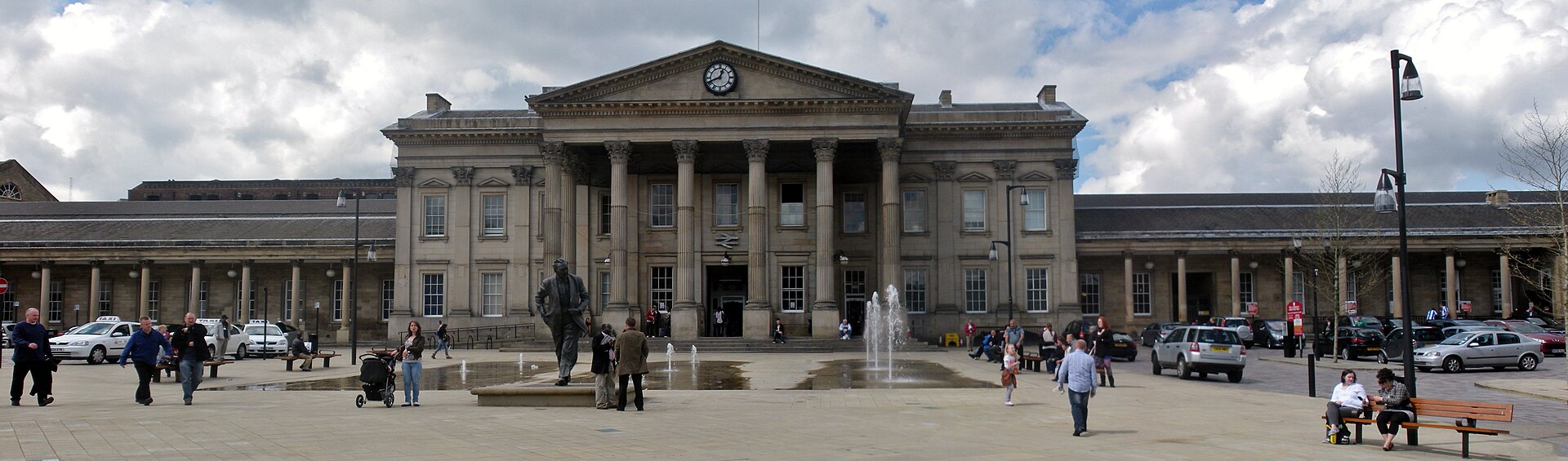
Yorkshire has wonderful small towns in every direction, and Huddersfield may be the most underrated. The Victorian centre is compact and lively – the Grade I listed railway station fronting St George’s Square is one of the region’s finest buildings – and everything worth seeing sits within a short walk.
The real bonus is what surrounds it: the Pennine hills begin at the town’s edge, with free viewpoints like Castle Hill looking across miles of open moorland. Back in town, cosy pubs still sell a pint for under £4, which says everything you need to know about local prices compared with the rest of the country.
Cheap UK Travel Tips for New Arrivals
- Travel midweek and in shoulder season. May and late September keep rooms low and the weather usable.
- Book trains and coaches early. Advance-purchase singles on many UK routes cost a fraction of the walk-up fare, and long-distance coaches undercut trains again.
- Use the free-museum habit. National and city museums across the UK generally do not charge entry – several of the cities above owe most of their value to that.
- Eat where locals eat. Markets and pubs a street or two off the main squares cost noticeably less than the obvious front-row spots.
- Check city passes before buying. On short trips they rarely beat paying for only what you will actually visit.
Sample Daily Budgets (per person, off-peak)
| Destination | Room (night) | Food | Local transport | Full day |
|---|---|---|---|---|
| Blackpool | £25-40 | £15-25 | £5-8 | £45-70 |
| Hull | £30-50 | £20-30 | £5-10 | £55-90 |
| Sheffield | £30-50 | £15-30 | £4-6 | £50-85 |
| Belfast | £40-60 | £20-35 | £8-12 | £70-105 |
| Huddersfield | £35-55 | £15-25 | £5 | £55-85 |
Final Thoughts
You do not have to see the UK on a London-sized budget. These five cities cover the full spread of British travel – a seaside resort, two free-culture cities, a green outdoor base and a Yorkshire small town – each at a fraction of the capital’s prices. And because the free museums, parks and promenades do the heavy lifting, your daily spend buys the experiences rather than the entry tickets.
Flying in to start the trip? Read our practical guide to how early you should actually get to the airport in 2026, and if you are watching every pound on accommodation too, see how resort fees work in 2026 and how to beat them. More low-cost planning lives in our full budget travel section.