

eSIM vs physical SIM for travel is no longer a tech question – it is a cost question, and the answer changes with the length of the trip. A travel eSIM in 2026 costs a median of $3.70 for 1 GB, $9.50 for 5 GB and about $12 for 10 GB, dropping to roughly $0.67 per gigabyte on a 50 GB bundle. A local physical SIM usually costs $8 to $15 up front for the card and a starter allowance, then cheap top-ups. Home-carrier roaming costs more per day than either. The trap is comparing headline prices instead of the trip in front of you: a two-week hop across three countries and a six-week stay in one city are entirely different purchases. Here is what each option actually costs, and where the crossover sits.
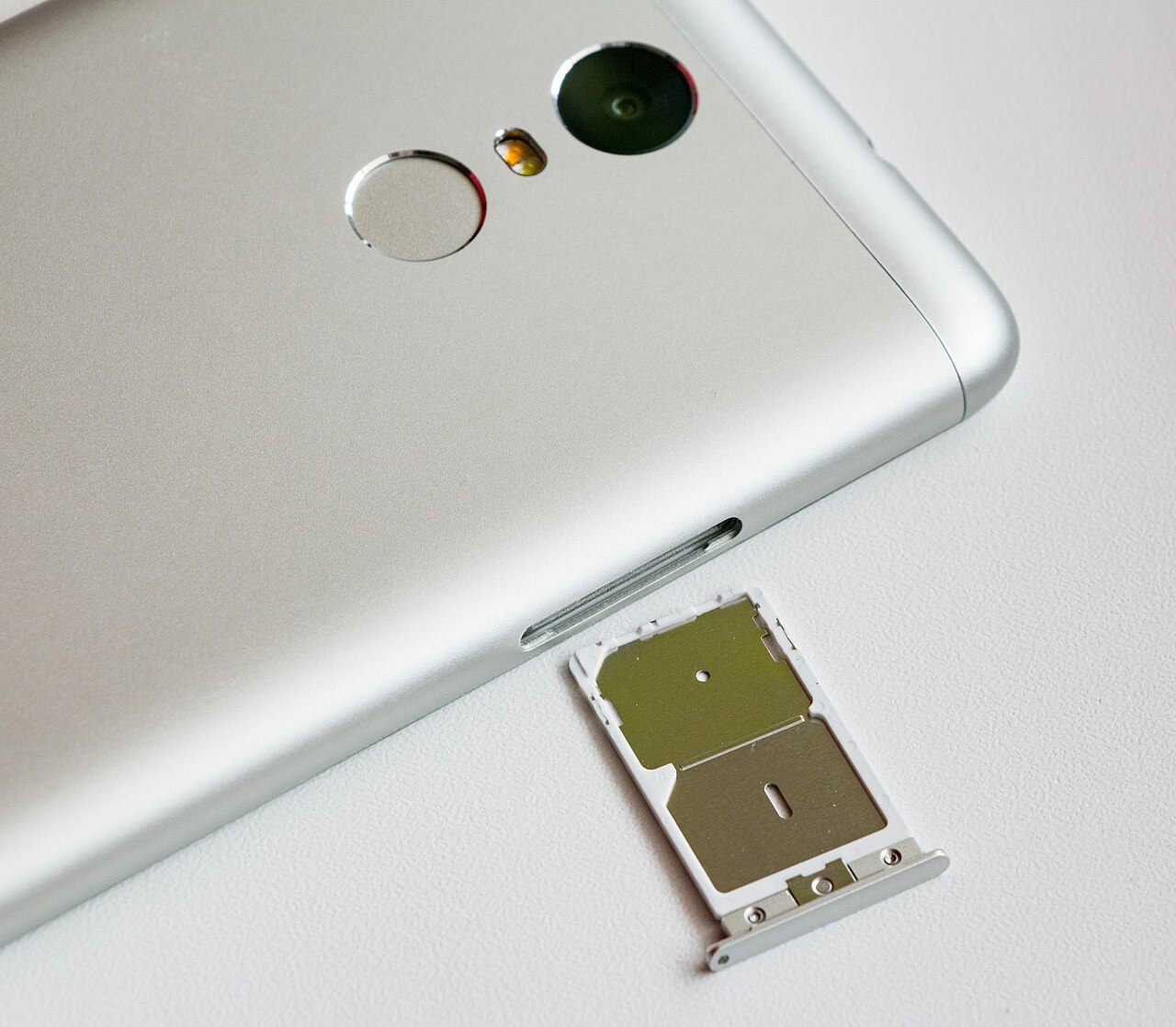
eSIM vs Physical SIM: The 2026 Price Data
A 2026 catalogue survey of 944 fixed-data travel eSIM plans across more than 190 destinations found these median prices: 1 GB $3.70, 3 GB $7, 5 GB $9.50, 10 GB $12.07, 20 GB $17.65, and 50 GB $33.32. The per-gigabyte rate falls sharply as bundles grow – $3.70 at 1 GB and $0.67 at 50 GB – so buying the right size matters more than picking a brand. Unlimited weekly plans run $11 to $23 in the same catalogue, and one-day passes start at $1.99 in 17 destinations.
Region changes everything: 10 GB for a month runs $6 to $8 in much of Asia and Europe, but $15 to $18 in Canada, Brazil, Mexico and the UAE. Global plans, which cover many countries on one profile, carry a median of $33.12 for 10 GB – roughly three times a single-country plan. That premium is what you pay to stop thinking about borders.
Where the Local SIM Still Wins
In Asia, eSIM data averaged about $1.54 per gigabyte in mid-2026, with Thailand, Japan and Malaysia near $1.08 – already close to local rates. A physical local SIM there costs $8 to $15 for a card plus a starter bundle, and refills are cheap. Spread over four to six weeks in one country, the local SIM undercuts the eSIM per gigabyte and hands you a real local number, which matters for apartment listings, delivery apps and bank verification. Long-stay guides price this trade in detail – our first-month slow traveller plan is built around exactly that math.
The local SIM’s costs are non-financial: a shop visit, ID registration in many countries, a physical swap, and the risk of losing your home chip. For a week or two, those frictions are not worth a couple of dollars. For a month, they often are.
Where the eSIM Wins
An eSIM is a digital SIM profile stored in a chip already inside the phone. You buy online, scan a QR code, and it is live in minutes – no queue, no language barrier at a kiosk, no removing your home SIM. Most phones sold since around 2018 support eSIM, and many can hold two profiles at once, so your home number stays reachable for banking codes while the travel plan supplies cheap data. Activation clocks usually start at first connection rather than purchase, so install it on home Wi-Fi before the flight and switch it on at arrival.
For short multi-country trips, a regional eSIM is the clean winner: one plan covering Europe or Southeast Asia beats buying a new SIM at every border. The catch is the partner network – a regional plan rides whichever local network the provider contracted for, which may be weaker than the strongest domestic carrier.
Fixed Data or Unlimited: The Golden Rule
Light users – maps, messaging, email, the odd photo upload – should buy a capped per-gigabyte plan. Heavy users – streaming, video calls, tethering a laptop – should buy unlimited by the day. Getting this backwards is the most common way travellers overpay: in a real Japan comparison, a week of light use cost $11 on a 5 GB Airalo plan versus $27.50 for Holafly’s unlimited week, while a heavy user got near-identical value from either. Unlimited plans nearly always carry a fair-use cap, and hotspot sharing is often limited to about 1 GB per day, so remote workers should read that line before the price line.
Providers differ more in rules than in coverage. Airalo is the broad marketplace default with 200-plus destinations; Holafly sells almost only day-based unlimited; Saily bundles security features; Nomad is often cheapest for 10-20 GB; aloSIM is strong in the Americas. Prices shift weekly, so compare the exact plan for your dates rather than a brand’s reputation. The same rule applies to the other fees that pile onto a trip – our credit card fees abroad guide covers the payment side of the same problem.
What Roaming Is Actually For
Home-carrier roaming is the most expensive way to buy foreign data, but it has one use: arrivals. Turning it on for the first hour gives you working maps and a ride-hailing app before you have installed anything – useful when the transfer itself is the first thing you need to figure out, as in our airport transfer costs guide. Switch it off the moment the eSIM connects. A carrier day pass is rarely competitive for a full trip.
The Bottom Line
Under two weeks, or crossing several borders: buy a regional or local eSIM, $6 to $15 for a practical data bundle. Four to six weeks in one country, especially with heavy use or a need for a local number: buy a physical local SIM. Never pay roaming rates for a whole trip. And check your phone’s eSIM support before you fly – a $3 plan is no bargain if the device cannot install it. Where you land, how long you stay and whether you tether decide the price; the itinerary in our 48 hours in Hanoi guide shows the same logic applied to a real trip.