

Hotel phone and charging fees are among the easiest charges to miss, because nobody reads the rate card next to the bed. A five-minute international call can cost $5 to $15 per minute, a local call $1 to $3, and a forgotten adapter rental $5 to $10 per day. Some hotels now charge for “premium” in-room charging stations or include phone and power in a resort fee. This guide explains the 2026 price patterns, the fine print behind “complimentary” calls, and how to avoid the bill entirely with Wi-Fi calling and an eSIM.
What Hotel Phone and Charging Fees Look Like in 2026
Rates vary by brand and country, but the structure is consistent. Business hotels and luxury properties charge the most; budget hotels often have no phone service beyond the front desk. The table below shows typical charges at a four-star city hotel.
| Item | Typical charge | Notes |
|---|---|---|
| Local call | $1 to $3 per call | Often free in the US, charged in Europe and Asia |
| Domestic long distance | $0.50 to $3 per minute | Plus a connection fee |
| International call | $3 to $15 per minute | Highest from resort and luxury hotels |
| Connection or access fee | $1 to $5 per call | Charged even for toll-free numbers |
| Adapter rental | $5 to $10 per day | Sometimes free with a deposit |
| Charging station or cable | $0 to $15 per stay | Usually a deposit, sometimes a fee |
| Business center printing | $0.50 to $2 per page | Plus a service charge |
A single 10-minute international call can cost more than a night’s parking. The charges are legal because they are disclosed in the room directory or the registration card, even if nobody reads them.
Local, Long Distance, and International Calls
In the United States, local calls from a hotel room are often free, but long distance and international are not. In Europe and much of Asia, even local calls carry a per-minute or per-call charge. Hotels buy wholesale call capacity and resell it at a large markup, which is why the rate can be ten times a prepaid calling card.
Watch for the connection fee. Some hotels charge a flat access fee the moment you pick up the handset, before any per-minute rate applies. Toll-free numbers are not always exempt. If the rate card says “calls are billed in one-minute increments with a connection charge,” assume the worst case.
The “Free” Phone That Isn’t
Some hotels advertise “complimentary local and toll-free calls” as an amenity. Read the qualifier: it often applies only to calls within the same city, only to numbers on a specific list, or only during certain hours. International calls are almost never included, even when the phone is marketed as free.
Resort fees sometimes bundle “unlimited local calls” with Wi-Fi and a newspaper. That sounds generous until you realize the bundle costs $30 to $50 per night whether you use the phone or not. If the resort fee is mandatory, the calls are not really free; they are prepaid. The same logic applies to room service fees and other bundled extras.
Charging Fees and Adapter Rentals
Most hotels do not charge for using a wall outlet. A growing number rent charging kits, universal adapters, or power banks, especially at the front desk. The fee is usually $5 to $10 per day, sometimes refundable when the item is returned.
The bigger cost is a forgotten item. If an adapter or cable is not returned at checkout, the hotel may charge the full replacement price, $15 to $40, plus tax. Count your cables before you leave. If you borrowed something, return it in person and get a receipt.
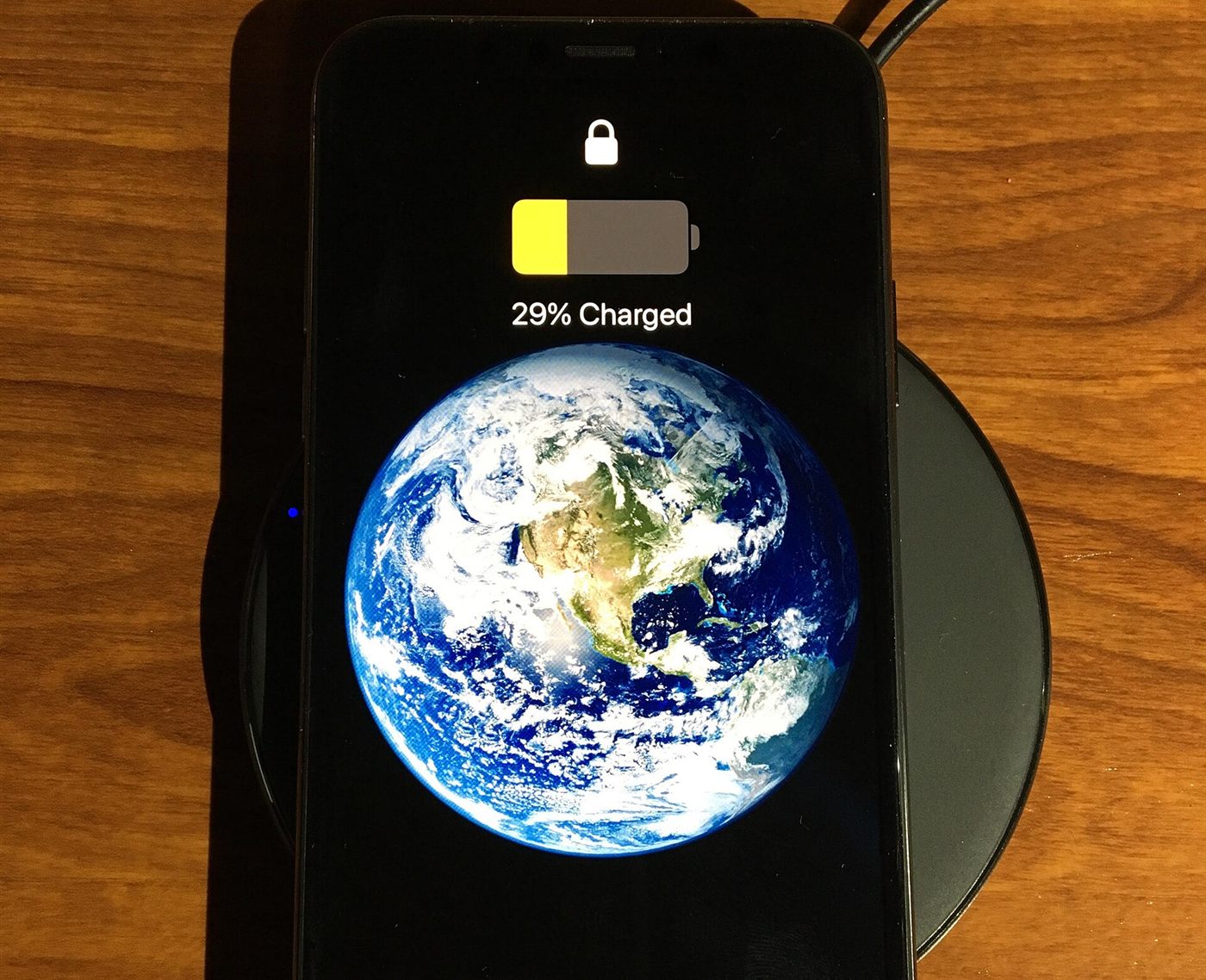
Some newer hotels install charging stations with built-in cables in the room and add a fee to the folio. Ask at check-in whether the desk charger is complimentary. If it is not, use your own cable and the wall outlet.
Resort Fees and “Included” Calls
Resort fees are mandatory charges that cover amenities such as Wi-Fi, pool access, gym, and sometimes local calls. They range from $15 to $60 per night at resorts and increasingly at city hotels. The fee is charged whether or not you use each item, and it is subject to tax in many places.
If a resort fee includes calls, confirm what “local” means. A call to a nearby suburb may count as long distance. A call to a toll-free number may still carry a connection fee. The front desk can print the rate card; ask for it before dialing.
How to Avoid Phone Charges
The simplest solution is not to use the room phone for anything except the front desk. Use Wi-Fi calling, a messaging app, or an eSIM for everything else.
- Wi-Fi calling: most carriers support it, and calls to your home country are billed as if you were there. Turn it on before you travel and test it at home.
- eSIM or local SIM: a data plan plus a VoIP app covers calls and messages for a fraction of hotel rates. A 10 GB travel eSIM often costs $10 to $25.
- VoIP apps: WhatsApp, FaceTime, and similar apps work over hotel Wi-Fi. Use them for family calls and keep the room phone for emergencies.
- Prepaid calling cards: still useful in some countries, but check the access number and fees.
- Business center: for printing and faxing, ask for the per-page rate first. It is often cheaper than the in-room phone.
If you must use the room phone, dial the operator and ask for the rate before connecting. Some hotels will place the call for you and quote the charge. Keep the call short and note the time.
Disputes and Holds
Phone charges are easy to dispute because they are itemized. Ask for a copy of the call log at checkout and compare it with your own record. If a charge is wrong, raise it before you leave; front-desk staff can usually adjust the folio on the spot. After checkout, the dispute goes through a central billing office and takes weeks.
Incidental holds work the same way. A hotel may place a hold for phone and charging extras at check-in, which reduces the available balance on your card for several days. The hold is released after checkout, but the timing depends on the bank. The mechanics are explained in hotel incidental holds.
Wi-Fi, Power, and the Bundle Trap
Phone and charging fees rarely stand alone. They sit next to Wi-Fi charges, minibar prices, and parking. A hotel that charges $12 per day for Wi-Fi may also charge for the phone line, the safe, and the gym. Individually they look small; together they can add $50 to $100 per night.
Before booking, add up the mandatory fees, not just the room rate. A $180 room with a $40 resort fee and $15 Wi-Fi is really a $235 room. The same math applies to hotel Wi-Fi fees and minibar prices, which are often the largest avoidable charges on the folio.
Frequently Asked Questions
Are local calls free in hotels? In the United States, often yes. In Europe and Asia, usually not. Always check the rate card.
How much is an international call from a hotel? Typically $3 to $15 per minute, plus a connection fee. Resort hotels charge the most.
Can I use my own charger? Yes. Wall outlets are normally free. Only rented adapters or charging kits carry a fee.
What happens if I forget to return an adapter? The hotel may charge the replacement price, $15 to $40, plus tax. Return it in person and keep the receipt.
Does a resort fee include phone calls? Sometimes local calls only. International calls are almost never included, even when the fee is mandatory.
Bottom Line
Treat the room phone as an emergency line, not a convenience. Use Wi-Fi calling or an eSIM for everything else, and ask for the rate card before dialing internationally. Budget $5 to $15 per minute if you must call from the room, and check the folio before checkout. The cheapest call is the one you never place on the hotel line.