

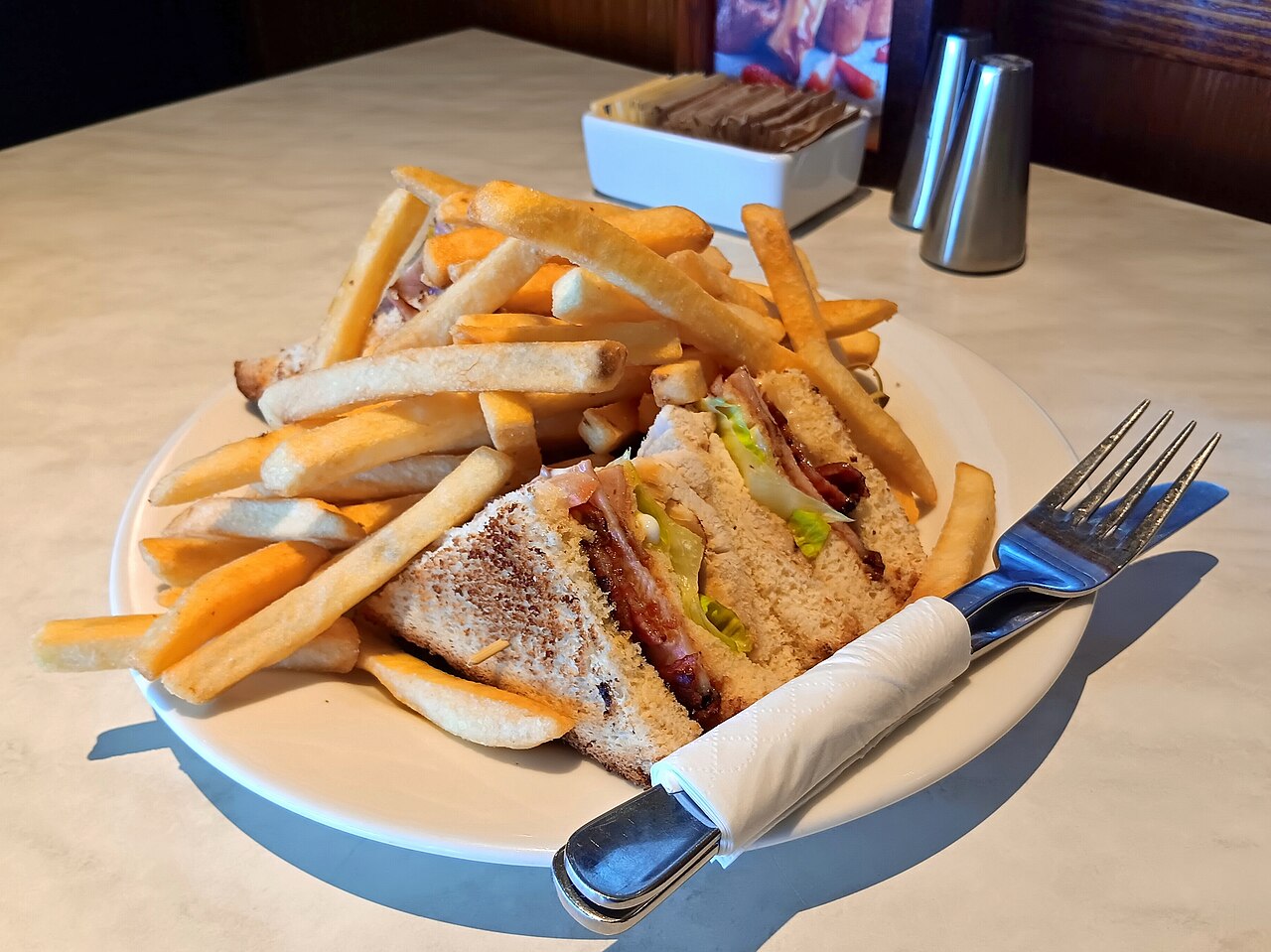
Hotel room service fees turn a normal menu price into a number that is hard to explain at checkout. A club sandwich listed at $28 can land on the folio at $45 or more once a delivery charge, a service charge, and tax are added. None of those line items are hidden, exactly, but they are rarely quoted together when you call down. This guide breaks down what the fees are in 2026, which ones you can avoid, and how to check the bill before you leave.
Hotel Room Service Fees, Broken Down
Most U.S. hotels use three or four separate charges. They stack, and each one is calculated differently.
- Delivery or tray charge: $3 to $10 per order. A flat fee for carrying the tray to the room, sometimes called a “tray service” charge.
- Service charge: 15 to 22 percent of the food total, most commonly 18 percent. This is the big one, and it is not always the same as a tip.
- Automatic gratuity: some hotels add 15 to 20 percent instead of a service charge, or on top of it in resort markets. Read the menu footer.
- Tax: state and local sales tax on the food, and in some jurisdictions on the service charge as well.
- Minimum order: $15 to $25 at many full-service hotels, especially late at night.
- After-hours surcharge: a smaller menu and a higher fee between roughly 11 p.m. and 6 a.m.
Outside the U.S., the pattern changes. European hotels often include service in the menu price, while hotels in parts of Asia commonly add a 10 percent service charge plus tax. The rule is the same everywhere: ask for the total, not the menu price.
A $28 Sandwich That Costs $47
Here is how the math usually works on a U.S. order:
- Club sandwich and a drink: $32
- Delivery charge: $6
- Service charge at 18 percent of food: $5.76
- Tax at 8.5 percent on the food and service charge: about $3.71
- Cash tip for the server: $5
Total: roughly $52 for a meal that would cost $20 to $25 in the hotel restaurant. The delivery fee and the service charge alone add more than 35 percent before tax. That is not a scam; it is the cost of running a kitchen that delivers to 300 doors. It is still worth knowing before you pick up the phone at midnight.
What the Service Charge Actually Pays For
This is the most misunderstood line on the bill. In many hotels, the service charge is revenue that covers delivery labor, tray setup, and breakage. In others, it is distributed to the server as a gratuity. The two are not the same, and the menu does not always say which applies.
Ask the person taking the order: “Is the service charge the gratuity, or is it separate?” If the answer is that it is a service charge and not a tip, add a few dollars in cash. If it is an automatic gratuity, an extra dollar or two is optional. Never assume the server receives the full percentage.
Resort Fees Do Not Cover Room Service
A resort fee usually pays for pool towels, Wi-Fi, fitness access, and local calls. It almost never includes room service, and it is charged whether you use those amenities or not. Some properties offer a daily food and beverage credit that can be applied to room service; ask specifically whether the credit works for in-room dining and whether it covers the delivery charge.
The same caution applies to loyalty perks. A free breakfast benefit at a hotel restaurant typically does not extend to room service, and an upgrade certificate does not remove the tray fee. The resort fee breakdown explains what those mandatory charges usually include.
Room Service vs the Cheaper Alternatives
Room service wins on convenience and loses on price. The alternatives are worth a two-minute comparison:
- The hotel restaurant or lobby cafe: same kitchen, no delivery charge, and usually no service charge beyond a tip.
- Grab-and-go counter: coffee, pastries, and sandwiches at grocery-store prices. Best for breakfast.
- Delivery apps: cheaper food, but the courier usually cannot come upstairs. You meet them in the lobby, and the app adds its own fees.
- The minibar: convenient but the most expensive per calorie. A minibar price guide shows how quickly a late-night snack adds up.
- Buying supplies: a nearby shop and a room kettle beat a $9 bottle of water.
For a late arrival with no energy left, room service is often the right call. For a family of four, it rarely is.
How to Cut the Bill Without Skipping the Meal
You cannot remove a mandatory service charge, but you can avoid paying it twice.
- Ask for the total before confirming the order, including delivery, service, and tax.
- Order from the restaurant menu during restaurant hours and pick it up yourself.
- Skip the paid drink and use the in-room kettle or the water provided.
- Check whether a food credit applies to in-room dining, and use it before it expires.
- Order one main and share it if the portions are large; the delivery fee is per order, not per person.
- Avoid the after-hours menu unless you have no alternative; the surcharge is real.
If you are staying multiple nights, ask at check-in whether the property waives the delivery fee for loyalty members. Some do, quietly, and some do not. It costs nothing to ask.
Tipping and Tray Etiquette
Tip in cash when you can, and hand it to the person who brought the tray. A service charge on the bill may take days to reach the server, if it reaches them at all. Two to five dollars is reasonable for a simple order; more for a full dinner setup.
Leave the tray inside the room, not in the hallway. Hallway trays are a trip hazard, and many hotels ask guests to call for pickup. A quick call also gets the tray out before housekeeping arrives.
When the Charge Is Wrong
Check the folio on the TV or app the morning of checkout, not at the airport. Errors are common: a duplicate order, a service charge applied twice, or a minibar item you never touched. Ask the front desk to print the food and beverage lines and explain each one.
Keep the signed receipt or a photo of it. If a charge is clearly wrong and the hotel will not remove it, ask for a manager and put the request in writing by email before you leave. A credit card dispute should be the last step, not the first, and it works better with a receipt and a dated complaint.
Remember that the incidental hold on your card is separate from the room service bill. The incidental hold explainer covers why a block can stay on your card for days after checkout, and the hotel tax guide explains the local charges that appear on top.
The Bottom Line on Hotel Room Service Fees
Hotel room service fees are predictable once you know the structure: a flat delivery charge, a percentage service charge, tax, and usually a tip. Together they can add 35 to 50 percent to the menu price. Ask for the total, confirm whether the service charge is the gratuity, and compare the restaurant, the lobby cafe, and a delivery app before ordering. Room service is a convenience, and it is priced like one.