

Red-eye flights have a reputation as the budget traveler’s shortcut, and the reputation is mostly earned – but the size of the saving varies wildly by route, day, and direction, and the real payoff is often the hotel night you skip rather than the fare itself. Here is what the 2026 data says about overnight flying, when the discount is real, and when the daytime flight is the better deal.
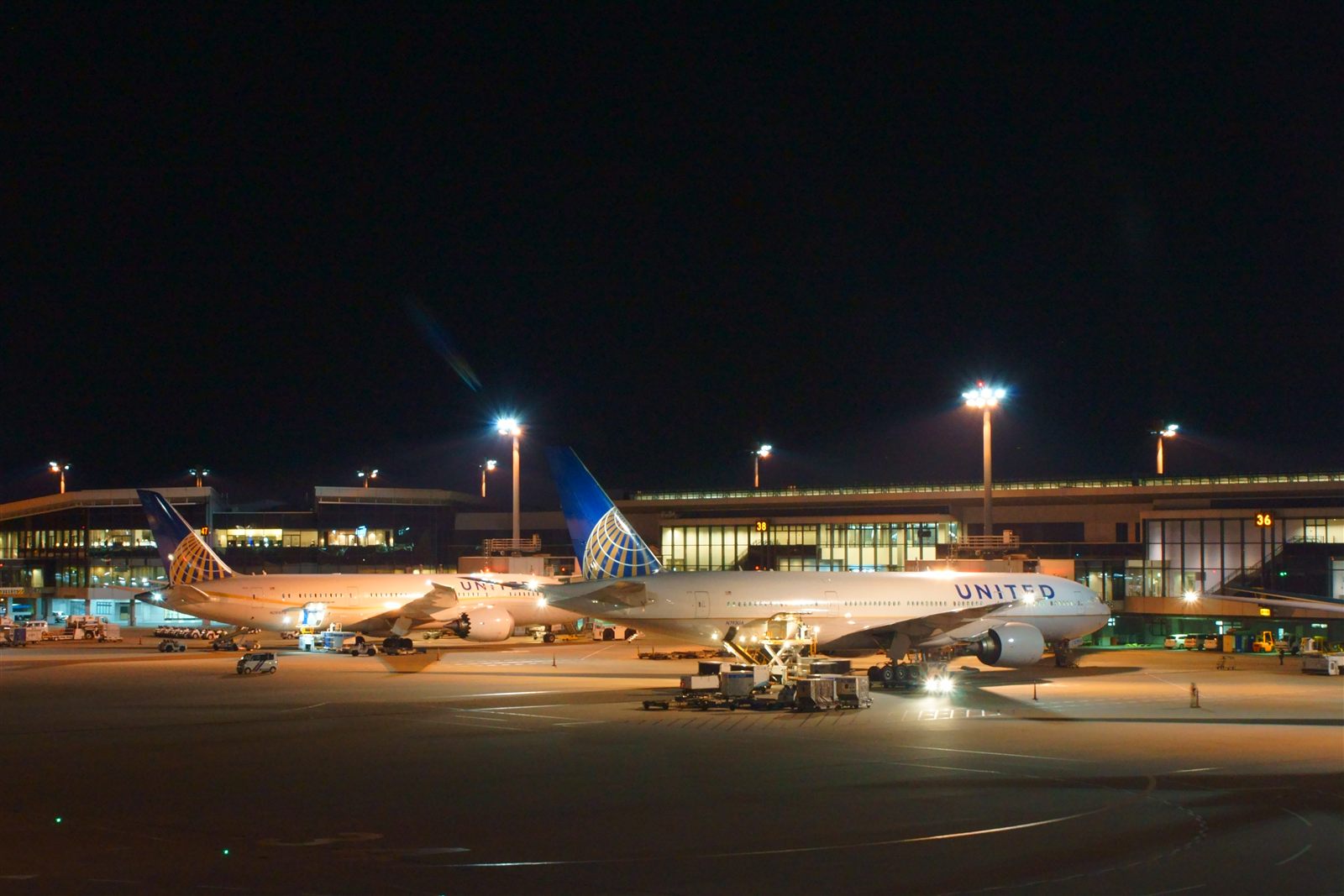
Red-eye flights: what the discount is actually worth
Studies of US fares consistently show overnight departures pricing below daytime equivalents, but the average is modest: research cited by Travel+Leisure put the overall saving at roughly 8 percent, while peak-period per-mile analysis found gaps around 13 percent. Weekend comparisons run wider – one 2026 analysis of the cheapest available fares put the average domestic weekend red-eye at $220 versus $268 for the cheapest daytime departure, an 18 percent gap. The honest summary: red-eyes are usually cheaper, rarely dramatically so, and the biggest single saving is a night of accommodation.
Where the discount is real – and where it vanishes
The discount concentrates where overnight flying is unpopular. Transcontinental westbound-to-eastbound city pairs, coast-to-coast routes landing before dawn, and Sunday-to-Friday departures during business-travel troughs show the widest gaps. Business travelers, who set the fare floor, avoid overnight departures entirely, which leaves demand – and prices – to leisure travelers.
The discount shrinks or disappears in three situations. High-frequency business routes often have only token overnight options priced near the daytime pack. Peak holiday departure dates – the days everyone wants to leave – price overnight and daytime almost identically, since the flight leaves full either way. And international red-eyes, particularly the overnight departures out of European hubs, are often the scheduled standard rather than a bargain option, so no discount exists to hunt.
The hotel-night math most travelers forget
The fare comparison misses the biggest lever. A red-eye that lands at 6 a.m. replaces a hotel night: depart at 10 p.m. instead of taking the 8 p.m. flight the day before plus a night at an airport hotel or a late-night arrival hotel, and you bank a night of lodging at whatever your destination’s rates run – $80 in a secondary city, $250 in New York or London. Against a $30 to $50 fare saving, the accommodation math usually dwarfs the ticket math.
That same arithmetic cuts the other way on arrival day. If the red-eye lands at dawn and your hotel check-in is 3 p.m., you either pay for early check-in, store bags and stumble through a day on no sleep, or pay for the previous night. Travelers who land at dawn and immediately want a bed often find they have traded a hotel night for a day room at the same price. Plan the arrival side before deciding the overnight flight is free money.
The costs the fare does not show
- Arrival logistics: public transit may not be running at a 5:30 a.m. landing; the taxi or rideshare premium quietly erodes the fare saving.
- Sleep quality: a seated overnight rarely delivers real rest – the first day of the trip runs on fumes, which has its own cost on a short trip.
- Airport timing: late-night terminals run reduced staffing, and some services shut down; our guide to airport arrival timing covers how the calculus changes at night.
- Fare extras: overnight flights sold as basic economy still carry the restrictions our basic economy breakdown details – a cheap red-eye seat you cannot change is a rigid commitment.
How to book a red-eye without the regrets
Compare fares at the day level, not the trip level: search with flexible dates and compare the overnight against the next morning’s first departure – the morning flight often prices like the red-eye while preserving a full night’s sleep, a point worth checking before assuming the overnight is the budget pick. Then price the full door-to-door equation: transfer options at the arrival hour, early check-in or luggage storage, and whether the destination day is recoverable. Travelers crossing time zones eastbound should also weigh jet lag: landing at dawn after five hours of fragmented cabin sleep starts the trip at its lowest energy point, which matters more on a four-day trip than a nine-day one.
Bottom line: red-eyes are genuinely cheaper – roughly 8 to 18 percent on the fare depending on route and day – and often much cheaper once the skipped hotel night is counted. They are worth it when the arrival side is solved: a hotel room you can actually check into, a short transfer, and a first day that tolerates low energy. When the dawn arrival means paying for a day room and a taxi premium, the daytime flight usually wins on real total cost.