

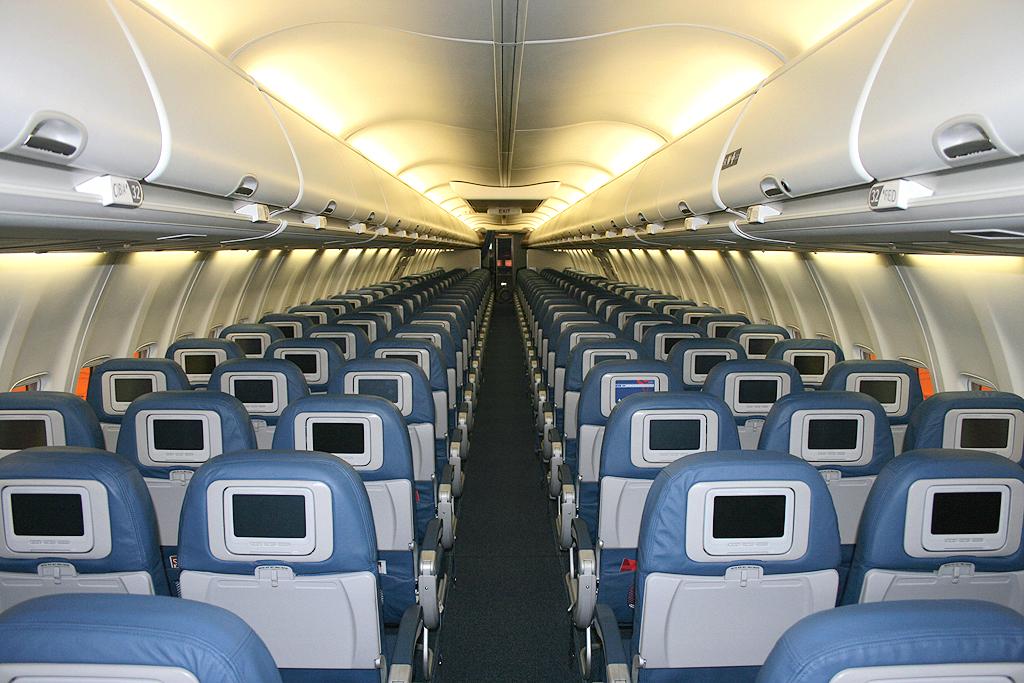
Seat selection fees in 2026 are now standard everywhere except the exit rows: United charges from $15 per flight to pick a Basic Economy seat and from $24 for preferred, and Delta has the lowest main-cabin seat-fee average among the majors at $24.99. The fee is no longer a budget-airline quirk – it is a legacy-carrier line item, and the only airline that still got famous for free seating ended the practice too. Here is what each major charges, when it is worth paying, and the two or three ways to fly seated without paying full freight.
Seat Selection Fees: The 2026 Scorecard
- Delta: lowest average main-cabin seat fee of the big carriers at $24.99 per flight in 2026 comparisons; basic fares assign seats at check-in and separate upcharges apply for preferred rows.
- United: Basic Economy advance seat assignment from $15 per flight per person; preferred seating from $24; decline it and a seat is handed over at check-in.
- American and Alaska: seat-fee averages track just behind Delta in 2026 fee comparisons, with standard seats free at check-in and paid pick-a-seat windows before.
- Southwest: assigned seating became mandatory for flights from January 27, 2026; standard seats come with virtually all fares, Basic assigns at the 24-hour check-in, and higher fare tiers walk away with extra-legroom picks at booking at no add-on.
- Decimal warning: these fees are per flight per person, each way – a family of four crossing the country pays eight of them.
The Family Loophole You Should Actually Use
Any traveler flying with children under 13 has a government-backed guarantee: under Department of Transportation commitments, the big carriers seat kids adjacent to a parent at no extra charge when passengers notify the airline or ask at the gate. That rule collapses the single most common reason people pay seat fees – not fancy legroom, just staying next to a kid. Pay nothing, mention it at check-in, and be a bit early, which is a skill covered in the 2026 guide to airport arrival times.
When the Fee Is Worth It – and When to Decline
Worth paying: exit and bulkhead rows on flights over three hours, solo seats on a long-haul where sleep matters, and window-aisle split pairs on a red-eye. Not worth paying: the $15 basic-economy pick on a 90-minute hop, or preferred rows on a midweek off-peak flight where the seat map is half empty anyway. The check-in roulette works in your favor when the flight is not full – decline the fee, and you still get a standard seat at check-in for free. The trade is documented inside the basic economy take-away list: what you saved on the fare tends to resurface as fees, and seats are squarely one of them.
The other quiet lever is status and cards – waived or discounted pick-a-seat rates ride along with airline co-branded cards and even modest elite tiers, so regulars rarely face the menu price. On top of seat add-ons, the paid-fare math changes if you start stacking bag-fee arithmetic: a basic fare plus seat plus bag can cross the price of the standard fare it was named after saving you from.
Bottom line: $15 to $25 per seat segment is the 2026 market rate for the privilege of choosing your chair, children under 13 travel adjacent free, and the decline-and-gamble at check-in remains the only strategy that wins often enough to be worth the mild seat anxiety.